Why is the Giro d'Italia starting in Bulgaria? Everything you need to know about overseas Grand Tour starts
It's not the first time the Giro has started abroad, and it likely won't be the last
It’s time to say buongiorno, or rather здравей, to the final men’s Grand Tour of the year. That's right, the 108th edition of the Giro d'Italia does not begin in Italy itself, but in Bulgaria, specifically Nessebar. It's quite a Grande Partenza, or big start.
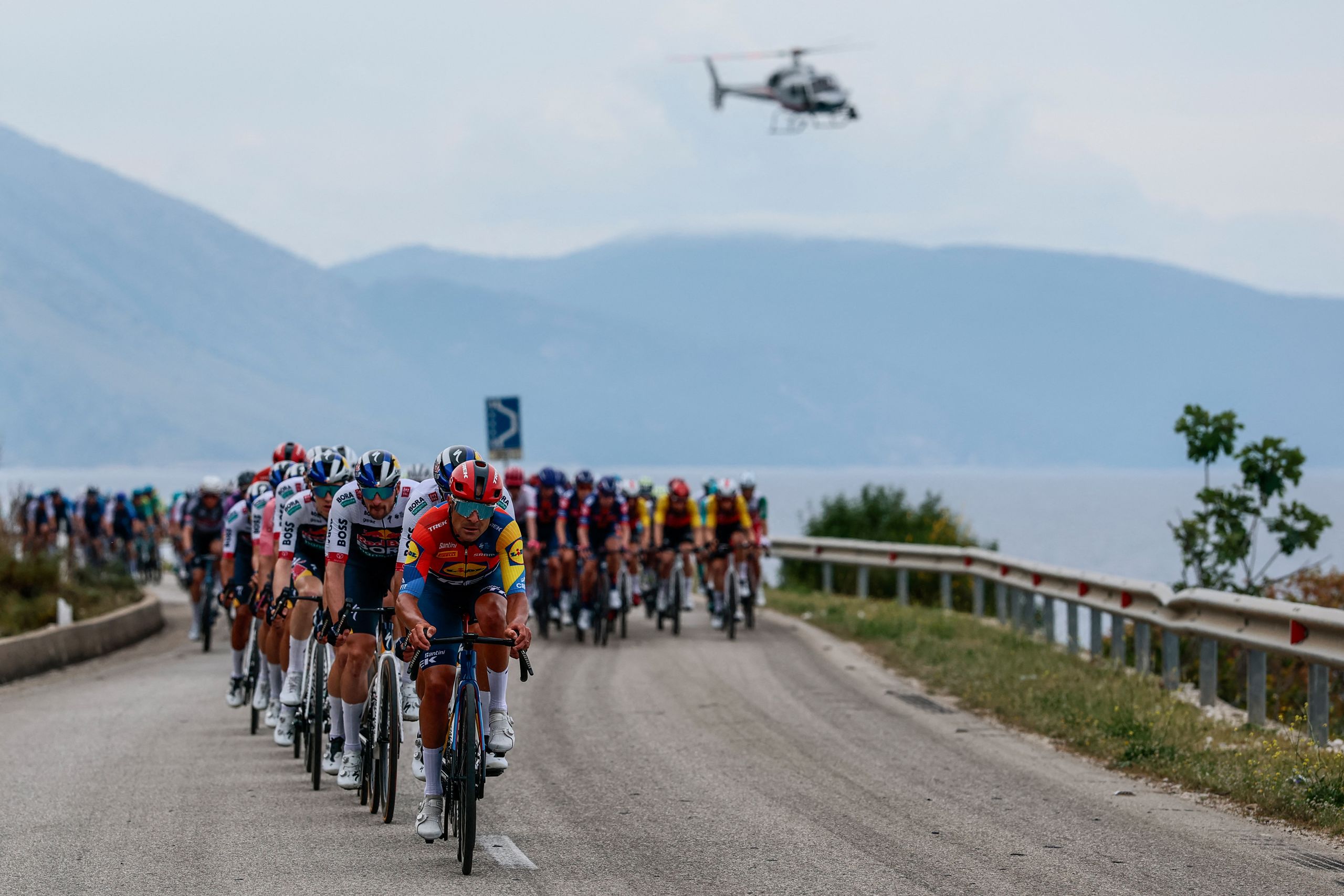
It is the 16th time the Italian race has started abroad, and the second year in a row, after Albania in 2025, and perhaps obviously, is the first time it has visited the Balkan country.
It should all make for very scenic racing. But why is the Giro d'Italia – a race with Italy in its very name – starting in Bulgaria?
For decades, Grand Tours have offered out their opening stages, also known as Grands Départs, to other countries. The deals come as an opportunity to gain international exposure, as well as boosted income for the race organisers, who earn a fee for ‘selling’ the event.
According to the organisers, this foreign Grand Départ adds value to the race home and abroad. RCS Sport president Urbano Cairo said in October: "These initiatives have a positive impact, they’re appreciated by the countries we visit but also by Italians who are familiar with a new territory. We’re boosting Italian exports, and this is a goal for our country."
The fees for hosting a Grand Tour start vary depending on place and plans. It was reported that the deal for last year’s Vuelta Grand Départ was around €7 million, while this year's start in Bulgaria for the Giro will net RCS Sport about €10 million. Historically, these costs have ballooned, once extra measures like security, road works, and other logistics have been accounted for.
For a previous Giro foreign start in 2022, for example, the Hungarian government put aside €24 million to host the race. These costs can end up even more expensive for the more well-known Tour de France; in 2014, the UK’s Tour Grand Départ rose from an initial £4.2 million fee paid to the organiser ASO up to £29.4 million for the hosts.

There is no formal bidding process for countries who wish to host a Grand Départ. Unlike the FIFA World Cup or the Olympics, where countries file bids and the host is decided in a vote, preparing a pitch for a Grand Tour start is more informal.
Typically, a country’s national body will reach out to the race organiser – RCS Sport for the Giro d'Italia, ASO for the Tour de France, and for the Vuelta a España, Unipublic – to open discussions.
Plans are then laid out for the stages, and if the organiser finds the idea convincing enough, a fee will be decided. This can be particularly lucrative for organisers, who in the case of all three men’s Grand Tours, are independent event management companies.
To help facilitate foreign starts, cycling’s governing body, the UCI, allows an extra ‘travel day’ at a Grand Tour every four years.
This year's Giro has an extra travel day for the second year in a row – so those rules might be for show – to get the teams, riders, and all their equipment to the south of Italy for stage three.
Riders, typically, will fly from one country to another to minimise time spent travelling. Team buses and logistics trucks, such as those carrying barriers and start-finish gantries, might spend an entire day driving from one place to another.
One of the furthest-flung Grands Départs in history was when the Giro began in Israel in 2018. The event marked the first Grand Tour start outside of Europe, and required an extensive logistical operation, with a Boeing 747 cargo plane booked to carry bikes more than 2,000km from Israel back to Italy.

The Soudal Quick-Step riders of the 2022 Vuelta a España travel by boat to the team presentation in Utrecht, the Netherlands
This year is the 16th time in the history of the Giro d’Italia that the race has begun outside of Italy. Here are the other countries that have hosted the Grand Tour:
1965 - San Marino
1966 - Monaco
1973 - Belgium
1974 - Vatican City
1996 - Greece
1998 - France
2002 - Netherlands
2006 - Belgium
2010 - Netherlands
2012 - Denmark
2014 - Northern Ireland
2016 - Netherlands
2018 - Israel
2022 - Hungary
2025 - Albania
The Tour de France has made more of a habit of starting abroad than the other two men's Grand Tours, although the first didn't happen until 1954, the 41st edition. Here is where it has started outside of L'Hexagone.
1954 - Netherlands
1958 - Belgium
1965 - West Germany
1973 - Netherlands
1975 - Belgium
1978 - Netherlands
1980 - West Germany
1982 - Switzerland
1987 - West Germany
1989 - Luxembourg
1992 - Spain
1996 - Netherlands
1998 - Ireland
2002 - Luxembourg
2004 - Belgium
2007 - United Kingdom
2009 - Monaco
2010 - Netherlands
2012 - Belgium
2014 - United Kingdom
2015 - Netherlands
2017 - Germany
2019 - Belgium
2022 - Denmark
2023 - Spain
2024 - Italy
This year is just the sixth time the Vuelta a España has started abroad. Here are the occasions it has had a foreign Grand Départ.
1997 - Portugal
2009 - Netherlands
2017 - France
2022 - Netherlands
2024 - Portugal
2025 - Italy
The modern women's Tour de France, the Tour de France Femmes avec Zwift, has only started abroad once so far in its short existence, although there are more scheduled.
2024 - Netherlands