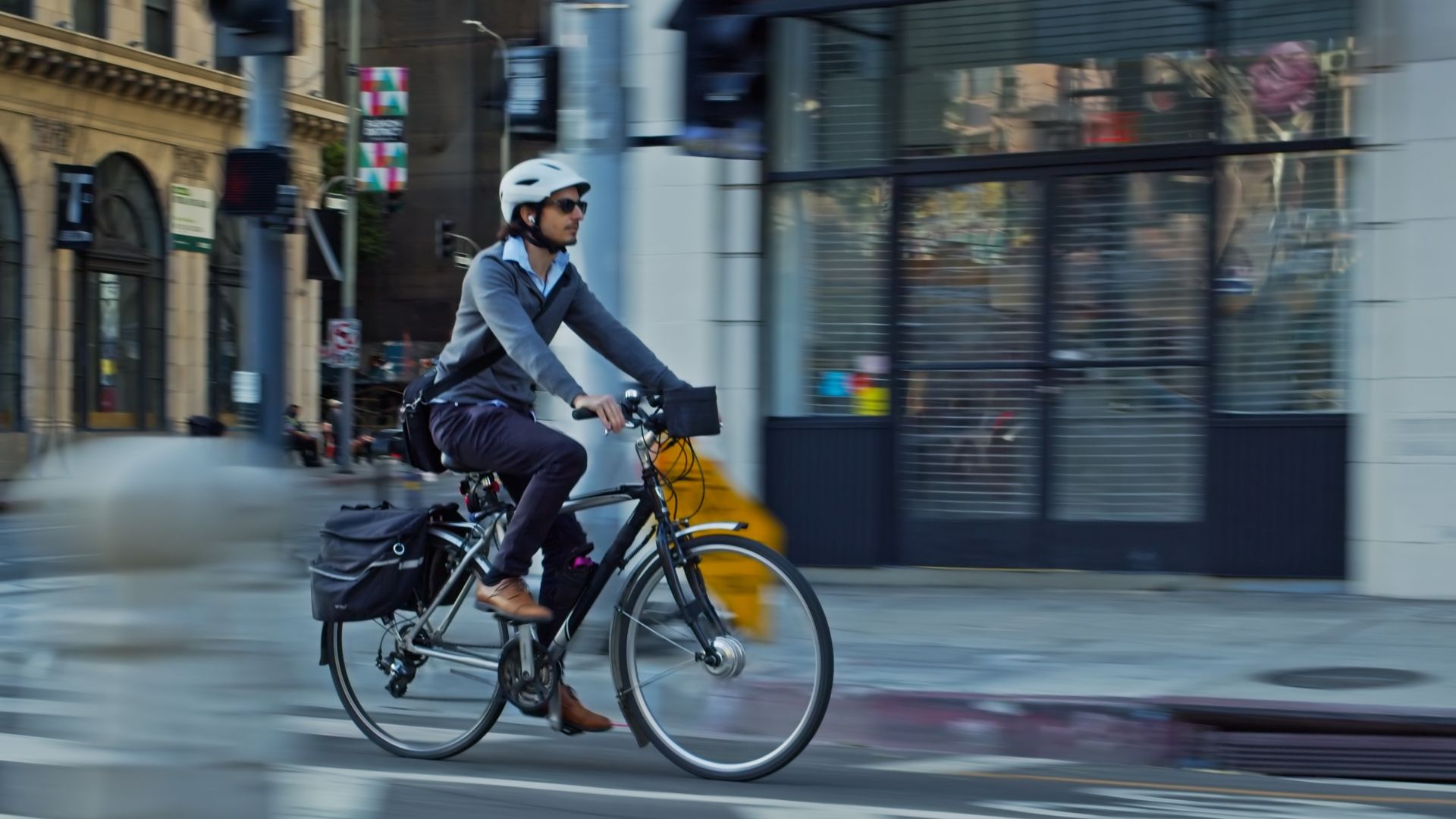
I have been cycling for over 30 years, and these are all the essentials you need to start commuting by bike today!
From the non-negotiables to the nice-to-haves, here are my top tips for how to make going by bike as easy and as stress-free as possible
The latest race content, interviews, features, reviews and expert buying guides, direct to your inbox!
You are now subscribed
Your newsletter sign-up was successful
With warmer weather and longer days firmly on our radar, now is a great time to start commuting by bike. While this journey will vary for each person, the basics of getting from point A to point B on two wheels stay the same.
If you're already a hobby cyclist, commuting by bike might need some adjustments to your current setup. This doesn't necessarily mean spending a lot, but acquiring some essentials will protect your bike from daily wear and tear and make your riding experience much more enjoyable, increasing your likelihood of sticking to this new lifestyle in the long run.
For others, this might mean investing in a new bike to get started. Get this part right, and by following our hints and tips, there's a good chance that this new way of journeying will become the highlight of your day. From lights to luggage, raincoats to repair kits — we share everything you need to give your new bike commute a strong start.

It goes without saying that a bike will be central to cycle commuting, but you can choose either to have a dedicated commuter bike or to adapt your recreational road bike.
There are pros and cons to both approaches, and it really depends on the distance, the final destination, storage options for your bike, and how much luggage you need to carry.
If you are thinking about adapting your existing road bike, then I highly recommend reading our dedicated page on getting your bike winter-ready. Even if you're reading this surrounded by wall-to-wall sunshine, riding your bike daily will make looking after your bike more important, and this page will give you advice on how to adapt and maintain your current bike to increase comfort and minimise wear.
If you are considering buying a dedicated bike, then our best commuter bikes page is the place for you. Here you will be expertly guided through your options and helped to find your ideal commuting bike.

Among the other non-negotiables when it comes to cycling to work is owning a set of the best bike lights, even if you're only riding in daylight. Here at Cycling Weekly, we've tested numerous sets across various budgets and have chosen our favourites.
If you are only riding in daylight hours, you'll want lights that make you visible rather than ones that help you see.
The most cost-effective option is probably to buy a front-and-rear set like the Giant Recon HL and TL 100 combo, which can be easily removed when you leave your bike and for recharging.
If your commute is busy with traffic, you might consider investing in a rear bike radar light, such as the Garmin Varia, which detects moving vehicles behind you and alerts you via a compatible bike computer head unit, which you would also need to purchase if you don't already have one.

The key to owning a bike is making sure it doesn't get stolen and become someone else's. Bike security is one of the biggest challenges for cyclists, as ensuring that your bike is still there at the end of the day is a constant concern.
We've written extensively about bike security and have a dedicated page listing the very best bike locks. I cannot stress enough the importance of investing as much as you can in bike security.
If you are locking your bike in a public space, it is advisable to choose one of the best angle grinder-resistant bike locks. These tend to be heavier, typically weighing over a kilo, and can cost at least triple digits, but they offer the best protection available. When our tester, Matt Ischt-Barnard, put the top five on the market through an angle-grinding test, he found that the OnGuard RockSolid 8590 lock was the overall best choice — it is highly secure, reasonably priced, and relatively lightweight for a lock of its kind.
If the worst happens and you discover your bike has been stolen, research shows that you are much more likely to be reunited with it if you have one of the best GPS bike trackers installed. I personally use Apple Airtags and tag everything from bikes to my child with them!

Commuting by bike still requires carrying the essentials you need on every ride.
But even the best puncture repair kit is only useful if you know how to use it. If you're unsure how to repair a flat tyre, I strongly recommend booking a basic bike maintenance course as soon as possible. In the meantime, read our page about how to fix a puncture and patch a tube.
Being self-sufficient on your bike will give you immense confidence, independence, and resilience should you get a puncture on your commute. I personally believe that being able to fix a flat tyre or a dropped/broken chain is a life skill and should be taught in schools - but that's a debate for another day!
If you are nervous about carrying out your own roadside maintenance, equipping your bike with the best puncture-proof tyres can help alleviate this worry.

The big elephant in the room here is whether wearing a bike helmet is necessary. There is no statutory requirement to wear cycle helmets in the UK or the USA, so it's down to the individual to choose whether to use one.
If you do choose to, it's worth noting that you don't have to spend a fortune to get good head protection; some of the best budget helmets meet the highest safety standards.
Understanding how helmets work and are tested can help inform your decision, but if you were to ask most of us here at Cycling Weekly which helmet to choose right now, then the Specialized Align II MIPS offers outstanding value for the protection it provides.

First of all, it's worth noting that, unlike car owners, cyclists aren't legally required to have any form of insurance, whether personal or liability, in the US or the UK.
However, without the best bike insurance, you can find yourself vulnerable to out-of-pocket expenses if you unexpectedly need to replace your bike or equipment, or even pay third-party costs if you cause damage while riding.
It's impossible to recommend the best bike insurance because there are so many variables, from location and locks to the age of the bike or rider. So do your research, visit price comparison sites, and check what cover you might already have through your home insurance or sports club membership.

Commuting inevitably requires carrying more than just a spare jacket, snacks, and tools in your back pocket. It's therefore likely that you will need a way to transport larger items, such as a laptop, lunch, and possibly a change of clothes.
There are many ways to handle this extra luggage, from a simple rucksack to a more permanent rack system.
The quickest solution is undoubtedly a simple yet effective backpack. You can start by using an existing backpack you have at home, but you might find that it interferes with your helmet (if you are wearing one) and isn't comfortable for extended periods.
A cycling-specific backpack will be designed specifically for riding, meaning it will sit slightly differently on your back and will most likely be waterproof, too.
In testing, we found that the Camelbak Mule Commute 22 backpack was the best overall option, as it was comfortable, had a good selection of pockets, and featured a weatherproof roll-top sleeve for a laptop. If you are after something a little smaller or more versatile, our guide on the best backpacks for cycling is the perfect read.
If you have a bit more cargo to load, then one of the best pannier racks and pannier bags could be a better option. These will not only keep the weight off you, but also allow you to carry more and heavier loads, evenly distributed on the bike. Our pannier expert Emma Silversides highly rated the Ortlieb Quick Rack and Ortlieb Bag Roller Free as the best duo for this, as they are quick and tool-free to mount and dismount, making it easy to attach or remove the rack — ideal for riders with only one bike who don't want to always carry the rack.
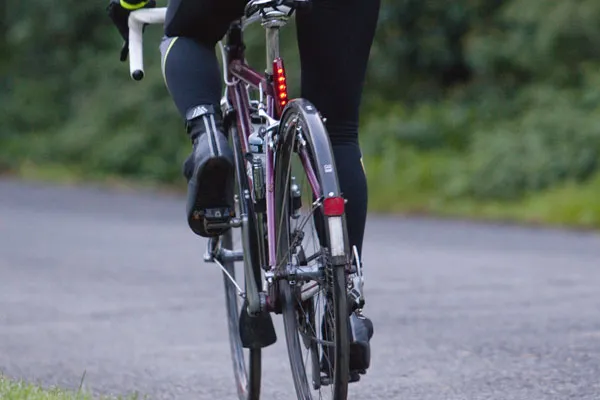
Riding daily, unfortunately, means facing a higher chance of riding in the rain.
Even if you're lucky enough to miss the showers, spray from the road can quickly damage the back of your jacket and the front of your shoes.
The best way to lessen this is by fitting a pair of fenders - these provide a surprising level of protection even on wet days by deflecting wheel spray.
Like pannier racks, several mounting options exist, so you don't need specific mounts on your bike to attach them. I personally rate the Zéfal Shield G50s, which are technically for gravel bikes, but their extra clearance, ease of installation, and level of protection make them a great option for commuting bikes too.
A jacket designed specifically for commuting is also ideal. The best choices will be water-repellent or proof and have a slightly longer cut at the back, without compromising style off the bike.
If you ride regardless of the weather, investing in a fully waterproof kit from top to bottom is worthwhile. Our dedicated pages on the best waterproof cycling jackets and waterproof pants highlight some options.
However, from our experience, we focus on balancing how well a jacket or pair of trousers keeps water out with how well it prevents water from building up inside due to sweat. Try to gauge how demanding your commute is before making a purchase.
We've got tonnes of hints, tips and advice on our page dedicated to Commuter Week. We've shared everything from buying advice to why riding your bike to work isn't wasted miles. We've even got all important lessons from a season commuter, who made all the mistakes at first, so you don't have to!